
- January 16, 2026
Winter Wonderland Stew: The Ultimate Comfort Food for Cold Days
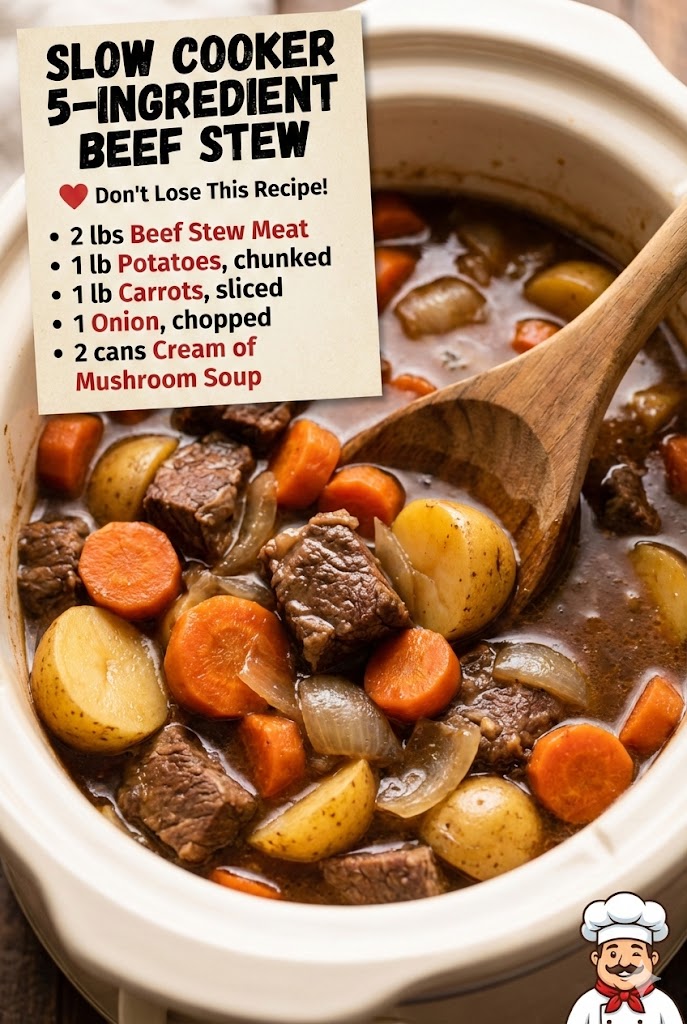
When winter winds howl and temperatures plummet, nothing warms the soul quite like a hearty, aromatic stew bubbling away on the stove. Winter Wonderland Stew is more than just a meal—it’s a culinary embrace that transforms the coldest days into cozy moments of comfort. This rich, flavorful dish combines tender meat, root vegetables, and aromatic herbs in a luscious broth that will fill your kitchen with irresistible aromas and your belly with satisfying warmth.
What Makes Winter Wonderland Stew Special?
This isn’t your ordinary stew. Winter Wonderland Stew celebrates the season’s best ingredients, featuring robust root vegetables that thrive in cold weather and develop deeper, sweeter flavors after frost. The combination of slow-cooked meat, earthy vegetables, and warming spices creates layers of complexity that develop over hours of gentle simmering.
The name itself evokes the magic of winter—while snow may blanket the landscape outside, inside your home, a pot of this stew creates its own wonderland of flavors and aromas. It’s the perfect dish for weekend cooking, holiday gatherings, or any time you want to transform simple ingredients into something truly special.
Essential Ingredients for Your Winter Stew
The Protein Base
The foundation of any great stew is quality protein. Beef chuck roast (2 to 3 pounds) is the traditional choice, offering rich flavor and tender texture when slow-cooked. Cut the meat into 1.5-inch cubes for optimal tenderness. The marbling in chuck roast breaks down during cooking, creating that melt-in-your-mouth quality.
For variation, lamb shoulder provides a more robust, slightly gamey flavor that pairs beautifully with winter herbs. Pork shoulder is another excellent option, offering succulent texture and the ability to absorb the stew’s flavors. Vegetarians can substitute hearty portobello mushrooms or a combination of white beans and root vegetables for a satisfying meat-free version.
Winter Root Vegetables
Root vegetables are the stars that give this stew its seasonal character. Carrots (4 large, cut into chunks) add natural sweetness and vibrant color. Parsnips (3 medium) contribute a subtle, earthy sweetness that intensifies during cooking. Their cream-colored flesh provides beautiful contrast in the finished dish.
Turnips (2 medium) offer a mild, slightly peppery flavor that mellows beautifully in the stew. Rutabaga (1 medium) adds a unique sweetness with hints of cabbage flavor. Yukon gold potatoes (4 medium, quartered) provide creamy texture and help thicken the broth naturally as they break down slightly during cooking.
Celery root (1 small, peeled and cubed) is the secret ingredient that elevates this from ordinary to extraordinary, adding subtle celery flavor without the stringiness of stalks.
Aromatics and Herbs
Yellow onions (2 large, roughly chopped) form the aromatic foundation. Garlic (6 cloves, minced) adds pungent depth that mellows into sweet savoriness. Fresh thyme (4 sprigs) is essential—its earthy, slightly minty notes are quintessentially winter. Bay leaves (2) add subtle complexity, while fresh rosemary (2 sprigs) contributes pine-like fragrance that pairs perfectly with root vegetables.
Liquid and Seasonings
Beef broth (4 cups) provides the savory base, though you can use chicken or vegetable broth depending on your protein choice. Red wine (1 cup) adds depth and complexity—choose something you’d drink, as the flavors concentrate during cooking. Tomato paste (2 tablespoons) contributes umami richness and helps thicken the sauce.
Worcestershire sauce (2 tablespoons) adds a complex savory note, while whole grain mustard (1 tablespoon) provides subtle tang. Season with kosher salt, freshly ground black pepper, and a pinch of smoked paprika for warmth.
The Secret Ingredients
What transforms this from good to extraordinary are a few unexpected additions. A small piece of orange peel (about 2 inches) adds brightness without obvious citrus flavor. A tablespoon of balsamic vinegar stirred in near the end balances richness with acidity. A sprig of sage added in the last 30 minutes brings an earthy, almost meaty quality.
Step-by-Step Preparation
Preparing the Ingredients
Begin by patting the meat completely dry with paper towels. Moisture prevents proper browning, which is crucial for developing deep flavor. Cut the meat into uniform 1.5-inch cubes, trimming away any large pieces of fat but leaving some marbling.
Season the meat generously with salt and pepper at least 15 minutes before cooking, or up to overnight in the refrigerator. This allows the seasoning to penetrate the meat rather than sitting on the surface.
Prepare all vegetables in advance, cutting them into similar-sized pieces to ensure even cooking. Vegetables should be substantial—about 1 to 2 inches—so they hold their shape during the long cooking process.
Browning the Meat
This step is non-negotiable for maximum flavor. Heat 2 tablespoons of oil in a large Dutch oven or heavy-bottomed pot over medium-high heat until shimmering. The oil should be hot enough that a piece of meat sizzles immediately upon contact.
Working in batches to avoid overcrowding, brown the meat on all sides. This should take 3 to 4 minutes per batch. Overcrowding causes the meat to steam rather than brown, so patience here pays dividends in flavor. The goal is a deep, mahogany crust on each piece.
Remove the browned meat to a plate and repeat with remaining batches, adding more oil if needed. Don’t skip deglazing between batches if fond (the browned bits) starts to darken too much—a splash of broth will prevent burning while capturing those flavors.
Building the Flavor Base
Reduce heat to medium and add onions to the pot with any accumulated fond. The moisture from the onions will help lift the browned bits from the bottom. Cook for 5 to 7 minutes, stirring occasionally, until the onions soften and begin to caramelize at the edges.
Add the garlic and tomato paste, stirring constantly for about 1 minute. The tomato paste should darken slightly—this caramelization adds tremendous depth. Pour in the red wine, using a wooden spoon to scrape up all the delicious browned bits from the bottom of the pot. This deglazing process captures concentrated flavor that would otherwise be lost.
Let the wine simmer for 3 to 4 minutes to cook off the raw alcohol flavor while the liquid reduces by about half.
The Long, Slow Simmer
Return the browned meat and any accumulated juices to the pot. Add the beef broth, Worcestershire sauce, mustard, herbs, and orange peel. The liquid should just barely cover the meat—add more broth if needed.
Bring everything to a boil, then immediately reduce to a gentle simmer. The surface should show just a few lazy bubbles breaking occasionally. Cover the pot, leaving the lid slightly ajar to allow some evaporation.
Simmer for 1.5 hours, checking occasionally to ensure the liquid maintains a gentle simmer. If it’s boiling too vigorously, reduce the heat further.
After 1.5 hours, add all the root vegetables, nestling them into the liquid. Return to a simmer, cover, and continue cooking for another 45 minutes to 1 hour, until the vegetables are tender and the meat is fork-tender.
In the final 30 minutes, add the sage sprig and adjust seasoning as needed. Just before serving, remove the herb sprigs and orange peel, then stir in the balsamic vinegar.
Cooking Method Variations
Stovetop Method (Traditional)
The stovetop method offers the most control and the ability to monitor your stew throughout cooking. It requires about 2.5 to 3 hours total but allows you to adjust heat and check consistency easily. The gentle, even heat of a stovetop creates perfect conditions for breaking down tough meat fibers while preserving vegetable texture.
Slow Cooker Method
For hands-off convenience, the slow cooker excels. After browning the meat and building the flavor base on the stovetop, transfer everything to the slow cooker. Cook on low for 7 to 8 hours or high for 4 to 5 hours. Add vegetables during the last 2 hours on low or 1 hour on high to prevent them from becoming mushy.
The slow cooker’s enclosed environment creates intense, concentrated flavors, though you may need to reduce the liquid slightly since there’s minimal evaporation.
Dutch Oven in the Oven
This method offers the best of both worlds—set-it-and-forget-it convenience with superior texture. After browning and deglazing on the stovetop, transfer the covered Dutch oven to a 325°F (165°C) oven. The surrounding heat creates even, gentle cooking that’s superior to stovetop simmering.
Cook for 2 to 2.5 hours, adding vegetables after 1.5 hours. The oven method produces incredibly tender meat and perfectly cooked vegetables with minimal attention required.
Instant Pot Method
Modern pressure cookers dramatically reduce cooking time while producing tender results. Use the sauté function to brown meat and build the flavor base, then add remaining ingredients. Cook on high pressure for 35 minutes, followed by natural release for 10 minutes.
While faster, the pressure cooker produces a slightly different texture—vegetables may be softer and flavors less developed than traditional methods. For best results, reduce liquid by about one-third since there’s no evaporation during pressure cooking.
Serving Suggestions
Winter Wonderland Stew is substantial enough to serve as a complete meal, but strategic accompaniments can elevate the experience. Crusty artisan bread is essential for soaking up the rich broth—sourdough, French baguette, or rustic whole wheat all work beautifully.
For a more refined presentation, serve over creamy mashed potatoes, buttered egg noodles, or polenta. The starch acts as a canvas for the flavorful sauce while adding additional comfort factor.
A simple green salad with sharp vinaigrette provides refreshing contrast to the rich stew. The acidity cuts through the hearty flavors and adds textural variety.
Garnish individual bowls with fresh herbs—a sprinkle of chopped parsley adds color and freshness, while a few thyme leaves echo the stew’s flavors. A dollop of sour cream or a shaving of aged Parmesan adds luxurious creaminess.
For special occasions, pair with a robust red wine—the same variety used in cooking is always a safe choice. Cabernet Sauvignon, Merlot, or a bold Syrah complement the rich, savory flavors beautifully.
Storage and Reheating
One of the greatest virtues of stew is that it improves with time. Store leftovers in airtight containers in the refrigerator for up to 4 days. The flavors meld and deepen overnight, making day-two stew often superior to day-one.
The stew will thicken considerably as it cools due to the gelatin released from the meat and the starches from the vegetables. When reheating, you may need to add a splash of broth or water to achieve the desired consistency.
Reheat gently on the stovetop over medium-low heat, stirring occasionally, until heated through. Avoid high heat, which can cause the vegetables to break down and the sauce to separate. Microwave reheating works in a pinch but can result in uneven heating and texture changes.
For best results, bring the stew to room temperature for 30 minutes before reheating, which ensures more even heating and better texture.
Freezing for Future Enjoyment
Winter Wonderland Stew freezes exceptionally well, making it perfect for meal prep or enjoying a taste of winter during other seasons. Cool the stew completely before freezing to prevent ice crystals from forming.
For optimal quality, freeze in portion-sized containers, leaving about an inch of headspace for expansion. Glass containers work well but must be freezer-safe. Heavy-duty freezer bags are space-efficient—lay them flat to freeze for easy stacking.
Properly stored, the stew maintains quality for up to 3 months. Label containers with the date and contents for easy identification.
To use, thaw overnight in the refrigerator, then reheat gently on the stovetop. You can also reheat from frozen, though this takes longer and requires careful attention to prevent scorching. Add liquid as needed during reheating to achieve the perfect consistency.
Seasonal Variations and Customizations
Spring Version
As winter transitions to spring, adapt the stew by incorporating asparagus spears, fresh peas, and baby carrots in the final 20 minutes of cooking. Replace heavier root vegetables with fingerling potatoes and add fresh dill or tarragon for bright, herbaceous notes.
Autumn Adaptation
Welcome fall with butternut squash, sweet potatoes, and fresh cranberries. Add a touch of maple syrup and warm spices like cinnamon and nutmeg for harvest-inspired flavors.
International Twists
Transform the base recipe with global flavors. For a Moroccan version, add chickpeas, dried apricots, cumin, and coriander. French-inspired? Include white wine, pearl onions, and mushrooms for a bourguignon-style stew. Irish influence calls for Guinness, cabbage, and plenty of potatoes.
Dietary Modifications
For a lighter version, use leaner cuts like sirloin and increase the vegetable ratio. Gluten-free diets are naturally accommodated, but check that your broth and Worcestershire sauce are certified gluten-free.
Low-sodium versions can use homemade unsalted broth and rely on herbs and wine for flavor development. Add salt carefully at the end to control intake.
Common Mistakes to Avoid
Many home cooks skip proper browning in an effort to save time, but this eliminates the foundation of deep flavor. Each piece should develop a rich crust before moving to the next batch.
Cutting vegetables too small causes them to disintegrate during the long cooking time. Maintain substantial cuts that can withstand hours of simmering while retaining their shape and texture.
Boiling rather than simmering is a frequent error that results in tough, stringy meat. The liquid should barely bubble—vigorous boiling contracts meat fibers instead of gently breaking down connective tissue.
Adding all ingredients at once prevents proper flavor development. Building layers through sequential cooking creates complexity that dumping everything together cannot achieve.
Over-seasoning early is problematic because flavors concentrate as liquid reduces. Season conservatively during cooking, then adjust at the end when you can accurately taste the finished dish.
Wine Pairing and Beverage Suggestions
The robust flavors of Winter Wonderland Stew call for equally substantial beverages. Red wine is the classic choice—opt for medium to full-bodied options with good acidity to cut through the richness.
Cabernet Sauvignon with its blackcurrant notes and structured tannins stands up beautifully to the hearty meat. Syrah or Shiraz brings peppery spice notes that complement the herbs and root vegetables. For a lighter option, Pinot Noir offers earthiness without overwhelming the dish.
Beer lovers should reach for malty, robust options. Brown ales, stouts, or porter beers echo the stew’s warming qualities. Belgian dubbels or tripels provide complex fruit and spice notes that enhance rather than compete.
For non-alcoholic options, serve with sparkling water with a twist of lemon, robust hot tea, or apple cider heated with cinnamon sticks.
Nutritional Benefits
Beyond comfort, Winter Wonderland Stew offers substantial nutritional value. The variety of root vegetables provides an array of vitamins, minerals, and fiber. Carrots deliver beta-carotene for eye health and immune function. Parsnips and turnips offer vitamin C, folate, and potassium.
The protein from meat provides essential amino acids for muscle maintenance and repair. Slow cooking breaks down collagen into gelatin, which supports joint health and digestion.
Using homemade or low-sodium broth allows control over sodium intake. The abundance of vegetables increases the volume while decreasing calorie density, creating a satisfying meal that won’t derail health goals.
The warming spices and herbs offer anti-inflammatory properties, making this truly a healing winter meal for both body and spirit.
Making It a Complete Winter Experience
Transform stew-making into a winter ritual that engages all the senses. Start early in the day, allowing the aromas to build anticipation throughout the afternoon. The kitchen becomes the heart of the home as the stew simmers.
Set a cozy table with warm lighting—candles create ambiance that matches the comfort of the meal. Use rustic, substantial bowls that keep the stew warm and feel satisfying in hand.
Create a playlist of mellow music that complements the relaxed pace of a stew dinner. This isn’t a rushed weeknight meal but an experience to be savored.
Invite friends or family to share the bounty. Stew naturally makes enough for a crowd, and there’s something deeply communal about gathering around a single pot of warm, nourishing food.
Conclusion
Winter Wonderland Stew represents the best of cold-weather cooking—transforming humble ingredients through time, heat, and care into something that transcends the sum of its parts. The ritual of preparing it offers meditation in the midst of winter’s chaos, while eating it provides comfort that runs deeper than mere sustenance.
This isn’t fast food or convenience cooking. It’s an investment in warmth, flavor, and the kind of deep satisfaction that only comes from food prepared with intention and love. Whether you’re cooking for one or feeding a crowd, whether it’s a Tuesday night or a special occasion, this stew adapts to meet the moment.
As winter blankets the world outside, your kitchen becomes a wonderland of its own—filled with steam, aroma, and the promise of a bowl of something truly special. So gather your ingredients, pour yourself a glass of wine, and let the magic begin. Your Winter Wonderland Stew awaits.