
- January 17, 2026
Chicken Fajita Soup: A Low-Carb Comfort Bowl Bursting with Flavor
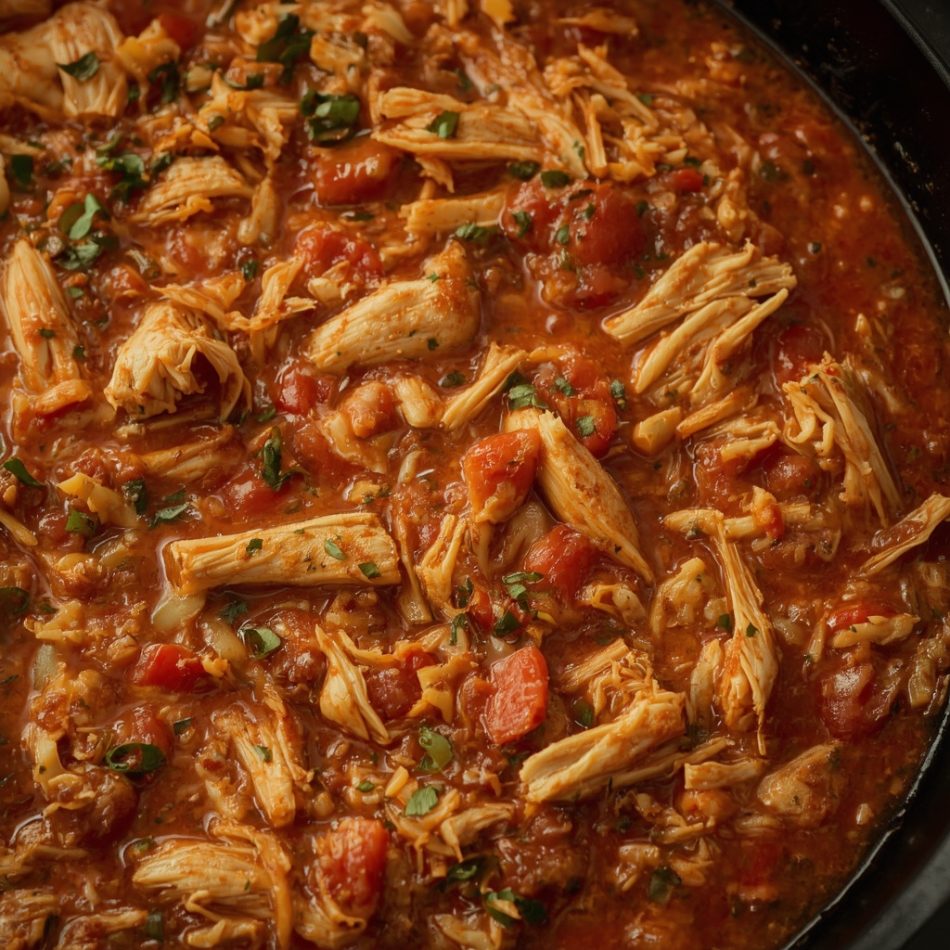
When the craving for sizzling fajitas meets the comfort of a warm soup bowl, magic happens. This Chicken Fajita Soup delivers all the bold, vibrant flavors you love from traditional chicken fajitas in a soul-warming, spoon-ready format. With tender shredded chicken, colorful bell peppers, and a zesty broth infused with smoky chipotle, this one-pot wonder is destined to become your new favorite weeknight dinner.
What makes this soup truly special is its versatility. It’s naturally low in carbohydrates at just under 7 net carbs per serving, making it perfect for keto and low-carb lifestyles. Yet it’s so packed with flavor and satisfaction that no one will miss the tortillas. Whether you’re meal prepping for the week ahead or looking for a quick family dinner solution, this recipe delivers restaurant-quality results with minimal effort.
Why You’ll Love This Fajita Soup
This isn’t just another chicken soup recipe. It’s a complete flavor experience that brings together the best elements of Tex-Mex cuisine in a healthier, more convenient package. The combination of sautéed vegetables creates a foundation of natural sweetness, while the blend of spices adds warmth and complexity. The chipotle adobo sauce brings a subtle smokiness that elevates the entire dish from good to unforgettable.
The beauty of this soup lies in its simplicity. Everything cooks in a single pot, which means less cleanup and more time to enjoy your meal. The hands-on cooking time is minimal—most of the work happens while the soup gently simmers, filling your kitchen with mouthwatering aromas that build anticipation for dinner.
For busy households, this soup is a lifesaver. It freezes beautifully, reheats like a dream, and tastes even better the next day as the flavors continue to meld. Make a big batch on Sunday, and you’ll have ready-made lunches or quick dinners throughout the week.
Essential Ingredients
The Protein
The star of this soup is boneless, skinless chicken breast, which stays remarkably juicy when cooked in flavorful broth. You’ll need about 2 pounds, which might seem like a lot, but remember that chicken shrinks as it cooks and you’ll be serving eight generous portions. The lean protein makes this soup filling without being heavy.
While chicken breast is the recommended choice for its mild flavor and tender texture, chicken thighs work equally well if you prefer dark meat. Thighs offer slightly more richness and are even more forgiving if you happen to overcook them. The key is using boneless cuts to make shredding easier later in the process.
Aromatic Vegetables
The vegetable trio that forms the base of authentic fajitas also stars in this soup. You’ll need one cup of chopped yellow or white onion, diced into bite-sized pieces that soften and sweeten as they cook. Two cups of chopped bell peppers bring color, crunch, and natural sweetness—use a mix of red, green, and yellow peppers for the most vibrant presentation.
For heat and authentic flavor, one jalapeño pepper is essential. Remove the seeds and membrane if you prefer mild warmth, or leave some seeds in for more kick. The jalapeño adds that characteristic fajita flavor that sets this soup apart from ordinary chicken soup.
Three cloves of fresh garlic, minced finely, complete the aromatic foundation. Don’t be tempted to use garlic powder here—fresh garlic becomes sweet and mellow as it cooks, adding depth that powdered versions can’t match.
The Spice Blend
A carefully balanced spice blend gives this soup its distinctive fajita character. The combination includes one tablespoon of chili powder, which provides mild heat and earthy flavor without overwhelming the other ingredients. Two teaspoons each of paprika, cumin, garlic powder, and onion powder create layers of savory complexity.
Paprika adds beautiful color and subtle sweetness, while cumin brings that essential warm, earthy note that’s central to Mexican and Tex-Mex cuisine. The garlic and onion powders reinforce the fresh aromatics, creating a more robust flavor profile. One teaspoon of salt seasons the entire pot, though you can adjust this to taste.
Liquid Components
The soup’s base consists of 32 ounces of quality chicken broth. Choose a broth you enjoy drinking on its own, as its flavor will be prominent in the finished soup. Low-sodium versions give you better control over the final seasoning, which is especially important if you’re watching your sodium intake.
A 10-ounce can of tomatoes with green chiles (often labeled as Rotel) contributes both liquid and chunky texture. Use the entire contents of the can, liquid and all—it adds moisture, acidity, and a pleasant background heat that complements the other spices.
The Secret Weapon
What transforms this from good soup to extraordinary is chipotle adobo sauce. This smoky, rich sauce comes from canned chipotle peppers packed in adobo. You’ll find these small cans in the international or Mexican food aisle of most grocery stores. For this recipe, you need just 1.5 tablespoons of the sauce itself—you can save the peppers for another use or chop one finely and add it to the soup if you want serious heat.
Fresh lime juice brightens the entire pot. Start with the juice from half a lime (about 1 tablespoon) and adjust to taste. The acidity balances the richness of the broth and makes all the other flavors pop.
Finally, two tablespoons of olive oil or your preferred cooking oil gets the vegetables started and prevents sticking.
Step-by-Step Preparation
Getting Started
Before you begin cooking, prepare all your ingredients. Chop the onion and bell peppers into uniform pieces about half an inch in size—this ensures even cooking and makes for pleasant eating texture. Dice the jalapeño finely, removing seeds for less heat or leaving them in for more kick. Mince the garlic and have it ready near the stove.
Measure out your spices into a small bowl and mix them together. This creates an even blend that distributes uniformly throughout the soup. Having everything prepped before you start cooking makes the process smooth and stress-free.
Building the Flavor Foundation
Place a large pot or Dutch oven over medium-high heat and add the olive oil. Allow it to heat for about one minute until it shimmers and moves easily across the pan. The oil should be hot but not smoking.
Add the chopped onion, bell peppers, and jalapeño to the pot. The vegetables should sizzle when they hit the oil—if they don’t, the oil isn’t hot enough yet. Stir the vegetables occasionally, allowing them to soften and develop some caramelized edges. This process takes about 5 to 7 minutes. You’ll know they’re ready when the onion becomes translucent and the peppers have softened slightly but still maintain some structure.
Add the minced garlic to the vegetables and stir constantly for about 30 seconds. Garlic cooks quickly and can burn easily, which creates bitter flavors, so keep it moving and don’t walk away from the stove during this step. When you can smell the garlic’s fragrant aroma filling your kitchen, it’s ready for the next step.
Sprinkle the spice blend over the vegetables and stir well, coating everything evenly. The heat will wake up the spices, releasing their essential oils and intensifying their flavors. Cook for about one minute, stirring constantly, until the spices become very fragrant.
Adding the Chicken
Place the chicken breasts directly into the pot on top of the vegetable mixture. The chicken doesn’t need to be in a single layer—it’s fine if the pieces overlap. The liquid you’ll add next will ensure everything cooks evenly.
Make sure the spice-coated vegetables coat the chicken as well. Use a spoon to scoop some of the vegetable mixture on top of the chicken pieces, ensuring they’re well-seasoned on all sides.
Creating the Broth
Pour the entire can of tomatoes with green chiles over the chicken, liquid and all. The tomato liquid will help deglaze the bottom of the pot, picking up any flavorful bits stuck to the surface. Add the chicken broth, chipotle adobo sauce, and lime juice.
Give everything a good stir, making sure the chicken is mostly submerged in liquid. The chicken breasts may poke up slightly above the surface, which is perfectly fine—they’ll release moisture as they cook and eventually become fully immersed.
Bring the mixture to a rolling boil over high heat. As soon as you see large bubbles breaking the surface throughout the pot, immediately reduce the heat to low or medium-low. You want to maintain a gentle simmer—small bubbles should occasionally break the surface, but the liquid shouldn’t be actively boiling.
The Gentle Simmer
Cover the pot with a lid, leaving it slightly ajar to allow some steam to escape. This prevents the soup from boiling over while still retaining enough heat to cook the chicken thoroughly. Set a timer for 30 minutes.
During this time, the chicken will cook through completely while absorbing the flavorful broth. The vegetables will become very tender, and all the spices will meld together into a cohesive, delicious soup. Resist the urge to lift the lid frequently—each time you do, you release heat and extend the cooking time.
Shredding the Chicken
After 30 minutes, carefully remove the chicken breasts from the soup using tongs or a slotted spoon. Place them on a cutting board or large plate. Before shredding, it’s crucial to verify that the chicken is fully cooked. Insert an instant-read thermometer into the thickest part of the largest piece—it should read 165°F (74°C). If it hasn’t reached this temperature, return it to the soup for another 5 minutes and check again.
Once you’ve confirmed the chicken is safely cooked, use two forks to shred it. Hold one fork steady to anchor the chicken, then use the other fork to pull the meat apart into bite-sized shreds. The cooked chicken should pull apart easily, creating tender strands that will soak up the soup’s flavors.
Return all the shredded chicken to the pot and stir it into the soup. The chicken will immediately begin absorbing the broth, becoming incredibly flavorful and juicy. Taste the soup at this point and adjust the seasoning—you might want to add more lime juice for brightness, a pinch more salt, or even a bit more chipotle sauce if you like extra heat.
Serving Suggestions
This soup is hearty enough to serve as a complete meal, but the right toppings and accompaniments can transform it from delicious to spectacular. The traditional way to serve it is in deep bowls, allowing the colorful soup to take center stage.
Classic Toppings
A dollop of cool sour cream or Greek yogurt provides creamy contrast to the spicy, tangy broth. The white cream against the colorful soup also creates an appealing visual. Sprinkle freshly chopped cilantro over the top for a burst of fresh herbal flavor—cilantro is traditional in Mexican cuisine and adds a bright note that complements the rich soup.
Diced avocado or guacamole adds healthy fats and a silky texture that balances the soup’s heat. Shredded Mexican cheese blend, sharp cheddar, or crumbled queso fresco melts slightly when it hits the hot soup, creating pockets of gooey goodness. Thinly sliced green onions or chopped red onions add a fresh, sharp bite.
Fresh lime wedges served on the side allow each person to add extra citrus to their bowl according to taste. The additional lime juice brightens the flavors and adds a restaurant-quality finishing touch.
Keto and Low-Carb Options
For those following a ketogenic or low-carb lifestyle, crushed pork rinds make an excellent crunchy topping that mimics the texture of tortilla chips without the carbs. You can also make quick keto tortilla chips by cutting low-carb tortillas into triangles, brushing them with oil, and baking until crispy.
Cheese crisps—made by baking small piles of shredded cheese until golden and crispy—provide another crunchy, keto-friendly topper. These can be made ahead and stored in an airtight container for easy meal prep.
Complete Meal Pairings
While the soup is satisfying on its own, you might want to serve it with complementary sides for a fuller meal. A simple green salad with lime-cilantro dressing keeps the Tex-Mex theme going while adding fresh crunch. Cauliflower rice seasoned with lime and cilantro provides a low-carb alternative to traditional Mexican rice.
For those not concerned about carbs, serve the soup with warm tortillas, crusty bread, or tortilla chips for dipping. The soup’s rich broth begs to be soaked up with something absorbent.
Storage and Make-Ahead Tips
One of the greatest advantages of this soup is how well it stores and reheats, making it ideal for meal prep and busy weeknights.
Refrigerator Storage
Allow the soup to cool completely at room temperature before storing—transferring hot soup directly to the refrigerator can raise the internal temperature of your fridge and potentially affect other foods. Cooling usually takes about an hour.
Transfer the cooled soup to airtight containers. Glass containers with tight-fitting lids work wonderfully and don’t absorb odors or stains. If you’re meal prepping individual portions, divide the soup among single-serving containers so you can grab and go throughout the week.
Properly stored in the refrigerator, this soup maintains excellent quality for up to 4 days. The flavors actually improve overnight as the chicken continues to absorb the seasoned broth, making day-two soup even more delicious than day-one.
Freezer Storage
This soup freezes exceptionally well and can be stored frozen for up to 6 months, though it’s at its best within the first 3 months. The key to successful freezing is using the right containers and removing as much air as possible to prevent freezer burn.
Freezer-safe containers with tight seals work well, but don’t fill them all the way to the top—leave about an inch of headspace to allow for expansion as the liquid freezes. Label each container with the date and contents using a permanent marker or freezer labels.
For the most space-efficient storage, use heavy-duty freezer bags. Pour cooled soup into gallon-size bags, pressing out as much air as possible before sealing. Lay the bags flat on a baking sheet and freeze until solid, then stand them upright in your freezer like files in a filing cabinet. This method saves significant freezer space and makes it easy to see what you have at a glance.
Reheating for Best Results
For individual portions, microwave reheating is quick and convenient. Transfer a serving to a microwave-safe bowl and heat in 30-second intervals, stirring between each interval, until heated through. This usually takes 2 to 3 minutes total, depending on your microwave’s power.
For larger portions or the entire batch, stovetop reheating produces the best texture. Pour the refrigerated or thawed soup into a pot and heat over medium heat, stirring occasionally to ensure even warming. The soup may have thickened slightly during storage—add a splash of chicken broth or water if needed to achieve your desired consistency.
If reheating from frozen, the easiest method is to thaw the soup overnight in the refrigerator, then reheat on the stovetop. In a pinch, you can reheat from frozen, but this takes significantly longer and requires careful attention to prevent scorching on the bottom of the pot.
Customization and Variations
While this recipe is perfectly delicious as written, it’s also wonderfully adaptable to different tastes and dietary needs.
Protein Variations
Swap the chicken for other proteins to create entirely new flavor profiles. Shrimp added during the last 5 minutes of cooking creates a seafood version that’s light and elegant. Ground turkey or ground beef browned before adding to the pot makes a heartier, more rustic soup. For a vegetarian version, use vegetable broth and add black beans, pinto beans, or extra vegetables like zucchini and mushrooms.
Vegetable Additions
Boost the nutrition and volume by adding more vegetables. Corn kernels (fresh, frozen, or canned) add natural sweetness and a pop of color. Diced zucchini or yellow squash contribute bulk without many carbs. Sliced mushrooms add an earthy, meaty quality. Black beans or pinto beans make the soup more filling and add fiber, though they will increase the carb count.
Heat Level Adjustments
Control the spice level to suit your preferences. For a milder soup, omit the jalapeño entirely or use a mild green chile instead. Reduce or eliminate the chipotle adobo sauce, which provides most of the soup’s smoky heat. For spice lovers, add an extra jalapeño, include some of the chopped chipotle peppers from the can, or stir in hot sauce to taste. A dash of cayenne pepper or red pepper flakes during cooking adds a different type of heat.
Slow Cooker Adaptation
Transform this into a dump-and-go slow cooker meal with a few simple adjustments. While you’ll lose some depth of flavor by skipping the sautéing step, the convenience factor makes it worthwhile on busy days.
Place all ingredients except the lime juice in your slow cooker. No need to brown the vegetables first—just add everything raw. Cook on low for 6 to 8 hours or high for 3 to 4 hours. About 30 minutes before serving, remove the chicken, shred it, and return it to the pot. Stir in the lime juice just before serving.
The slow cooker method produces incredibly tender chicken and well-melded flavors, though the vegetables will be softer than the stovetop version.
Instant Pot Method
For the fastest cooking time, use an Instant Pot or electric pressure cooker. Use the sauté function to cook the vegetables and garlic as directed in the original recipe. Add the spices, chicken, canned tomatoes, broth, and chipotle sauce. Secure the lid and cook on high pressure for 12 minutes.
Allow the pressure to release naturally for 10 minutes, then quick-release any remaining pressure. Remove and shred the chicken, return it to the pot, and stir in the lime juice. The total time from start to finish is about 45 minutes, making this a realistic weeknight option.
Nutritional Information and Dietary Considerations
Each generous 1.25-cup serving of this soup contains approximately 214 calories, making it a satisfying yet light meal option. The protein content is impressive at 27.8 grams per serving, which helps keep you full and supports muscle maintenance.
The carbohydrate count sits at just 9 grams total, with 2.4 grams of fiber, bringing the net carb count to 6.6 grams per serving. This makes it perfectly suitable for ketogenic diets, which typically limit net carbs to 20-30 grams per day. It also works well for general low-carb eating plans, diabetic diets, and anyone watching their carbohydrate intake.
With 7.1 grams of fat per serving, this soup is relatively lean, allowing you to add fatty toppings like avocado, cheese, or sour cream without guilt. The sodium content is 851 milligrams per serving, which is moderate but may be a consideration for those on sodium-restricted diets—using low-sodium broth can reduce this significantly.
Allergen Information
This soup is naturally gluten-free, making it safe for those with celiac disease or