The Truth Behind the Image: Understanding Holy Basil (Tulsi)
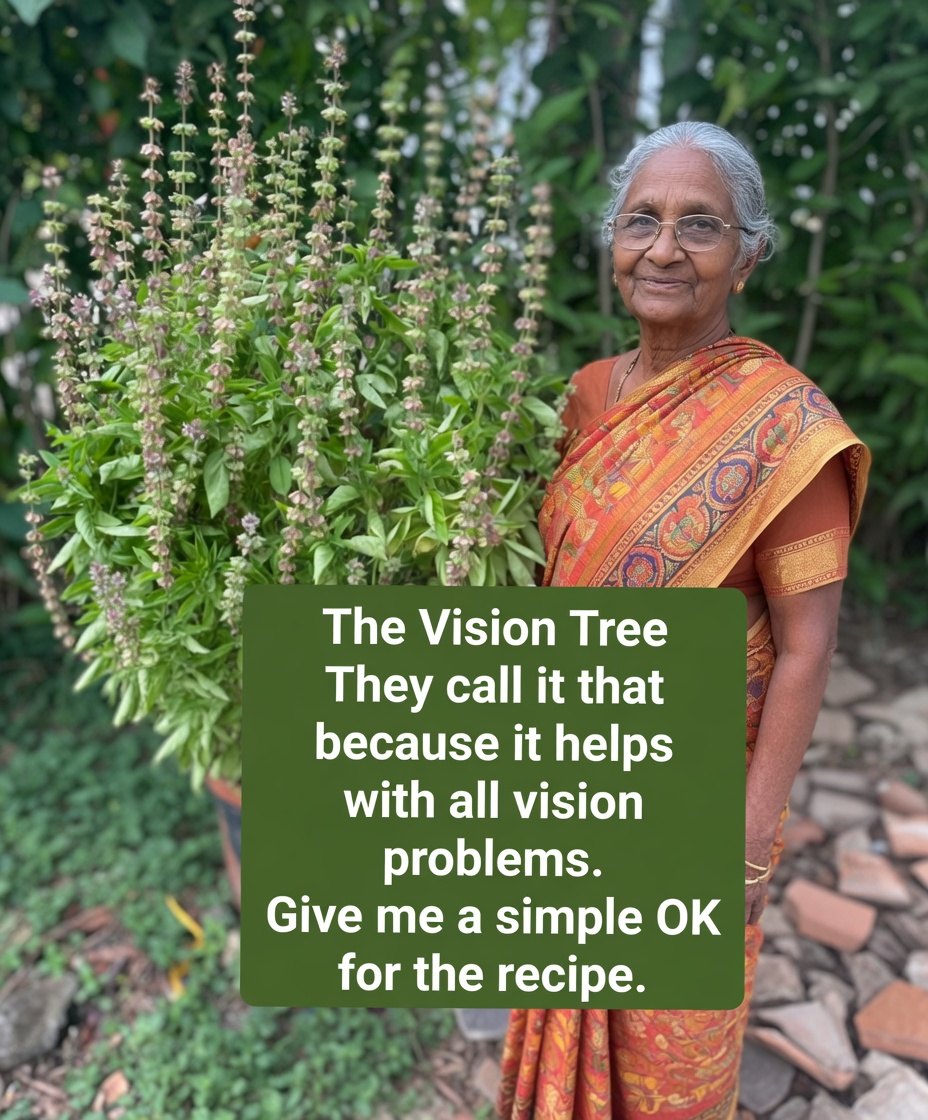
The plant featured in the image is Holy Basil, commonly known as Tulsi (Ocimum tenuiflorum). It is a revered herb in traditional Ayurvedic practices, known for its adaptogenic, antioxidant, and immune-supporting properties.
However, internet memes often exaggerate or misrepresent traditional remedies. Tulsi is not medically recognized as a “Vision Tree,” nor can it cure “all vision problems.” Serious optical conditions like cataracts, glaucoma, macular degeneration, and refractive errors (nearsightedness/farsightedness) require targeted medical or surgical intervention by an optometrist or ophthalmologist. Relying solely on herbal remedies for progressive vision issues can lead to permanent eye damage.
That being said, Tulsi contains high amounts of antioxidants (such as vitamin A, vitamin C, and flavonoids) that help combat oxidative stress throughout the body, supporting general cellular health.
Traditional Tulsi Herbal Tea Recipe
This classic Ayurvedic preparation is an excellent way to enjoy the general wellness benefits of Holy Basil. It is soothing, rich in antioxidants, and easy to brew at home.
Ingredients
-
1 cup of filtered water
-
4 to 5 fresh Tulsi leaves (or 1 teaspoon of dried Tulsi leaves)
-
1 teaspoon of raw honey or a squeeze of fresh lemon juice (optional, for taste)